



Why shop for toys by age?
Children's skills change quickly in the first eight years, and a toy that is perfect at 18 months may be frustrating or unsafe at 9 months. Shopping by age helps you choose toys that match your child's development and follow safety guidance, especially for children under 3, who should not have toys with small parts.
What should a toy do at each age?
A good toy gives a child something to master just beyond what they can already do.
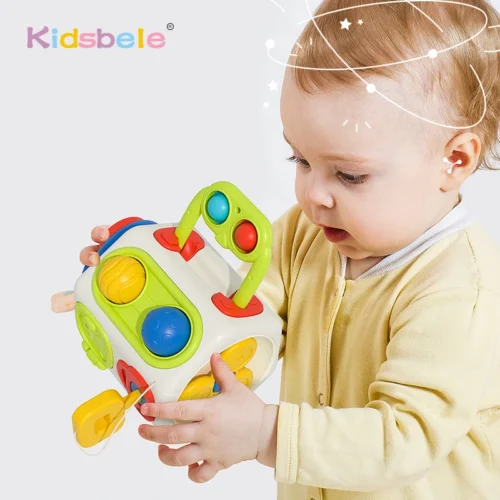
- 0–12 months: grasping, senses and cause and effect.
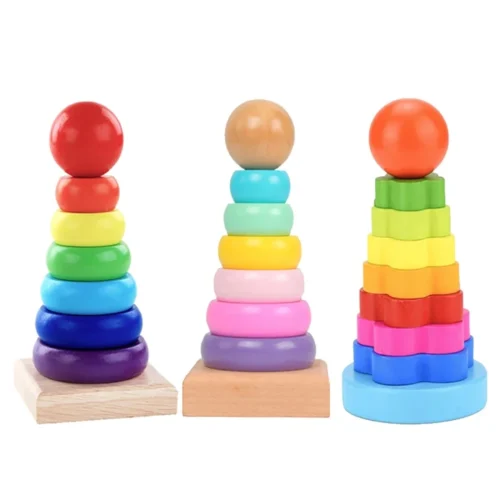
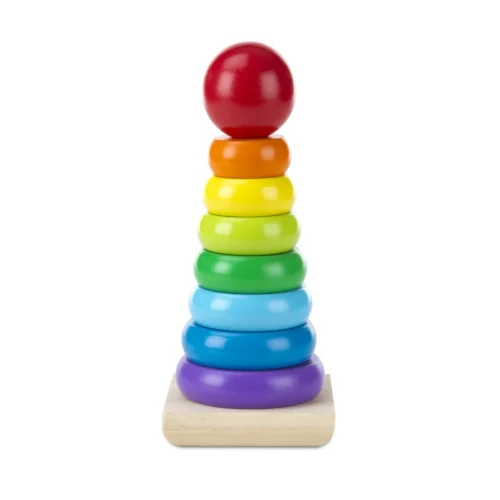
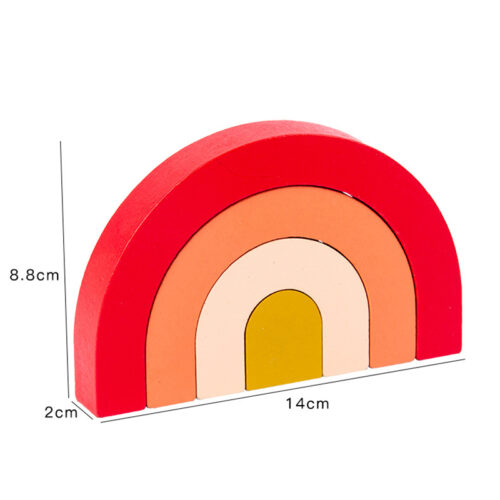
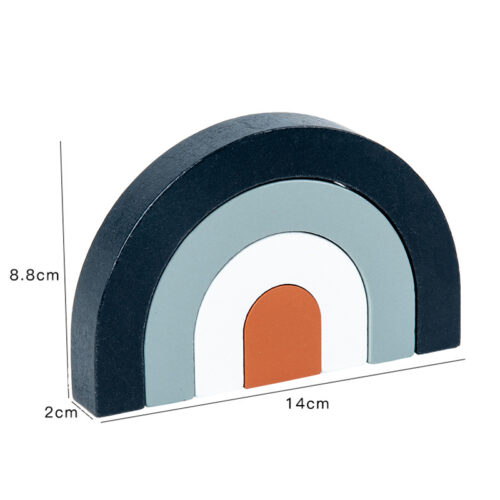
- 1–2 years: stacking, sorting by size and object permanence.
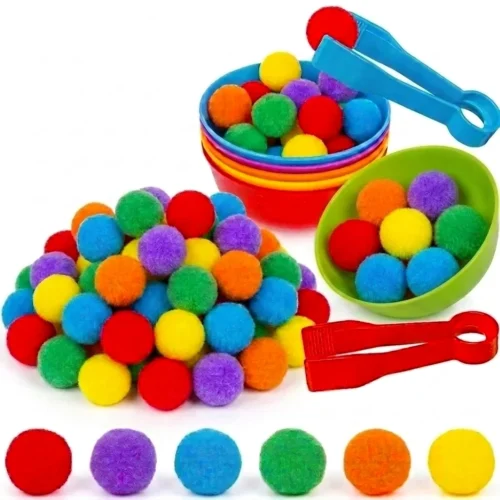
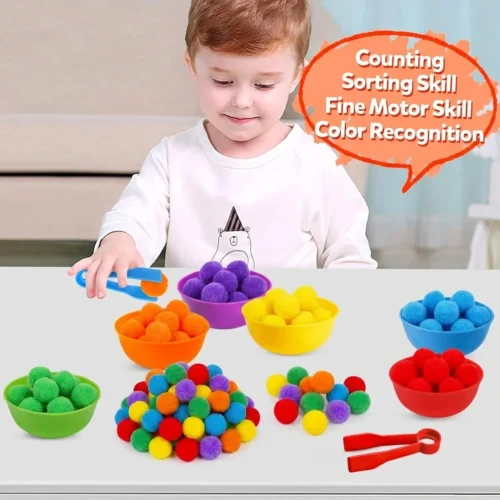
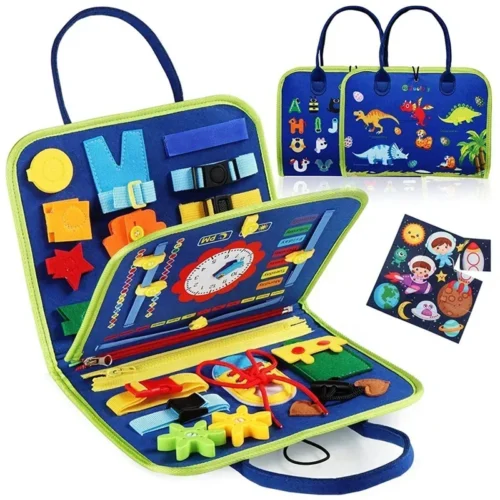
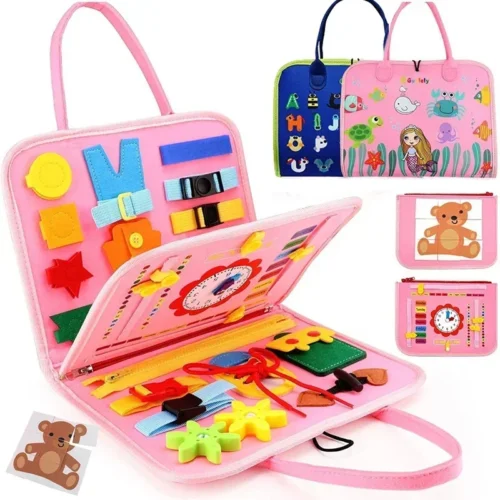
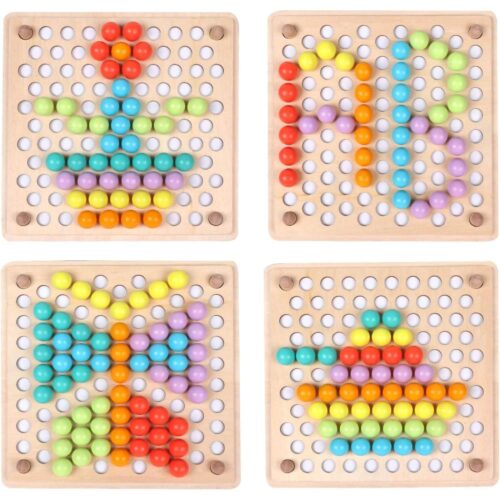
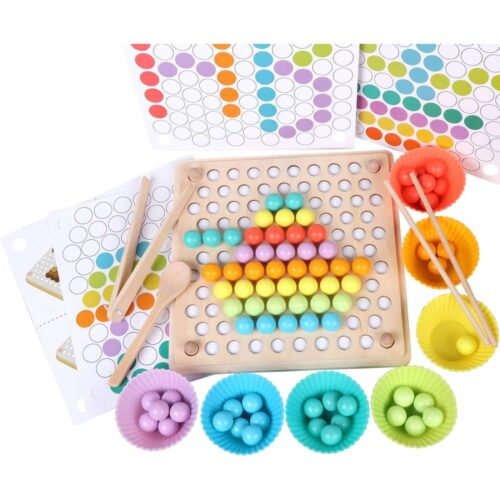
- 3–4 years: counting, pretend play and fine motor control.
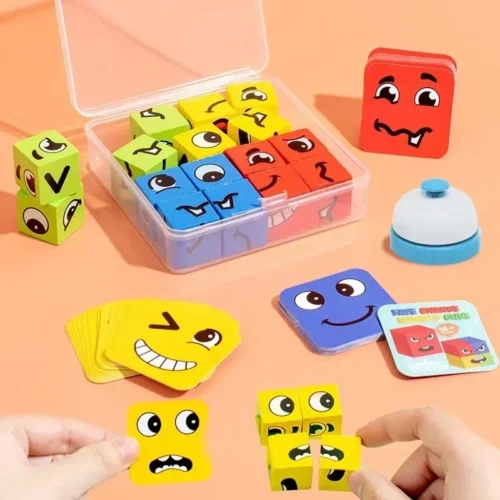
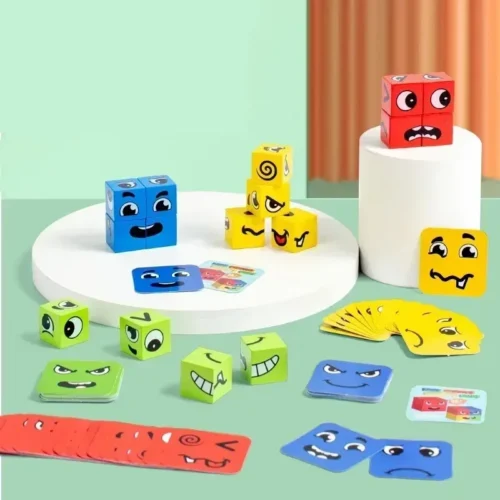
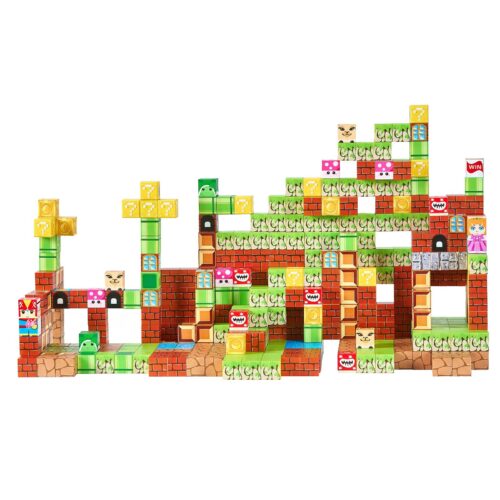
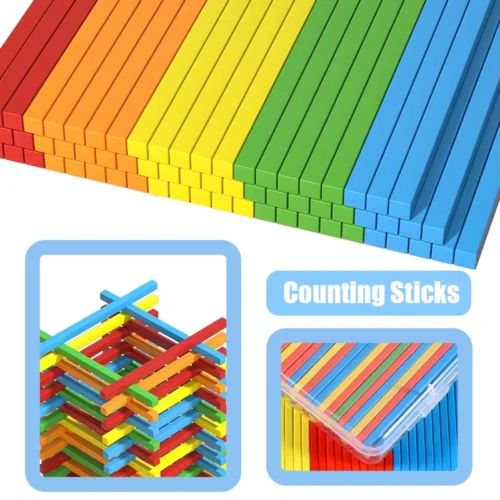
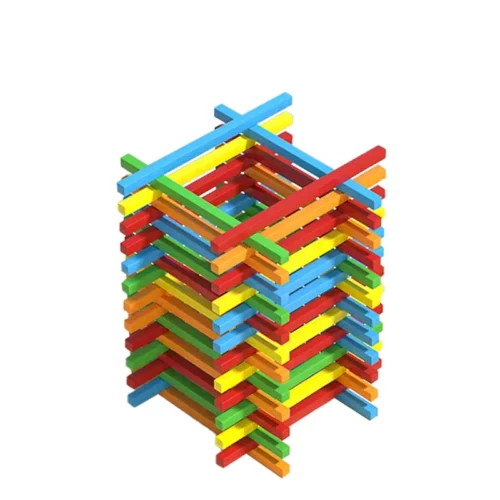
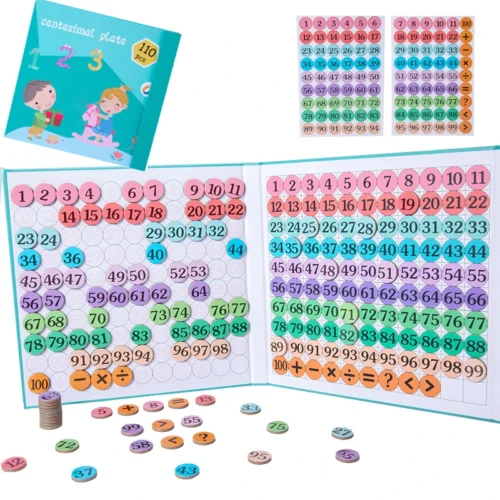
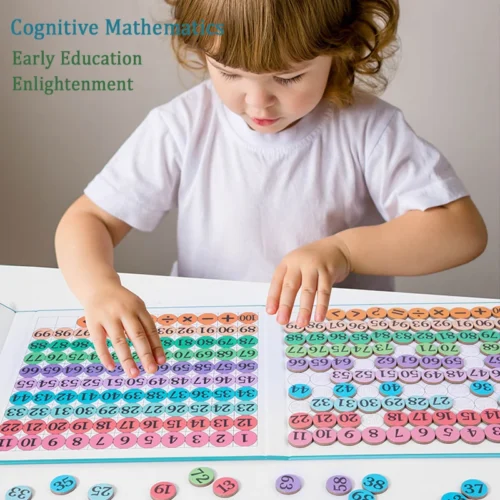
- 5–7 years: early math, logic, building and science.
- 8+ years: real science tools and independent projects.
Is it okay to give a toy for an older age group?
Only if the age label is about skill, not safety. Toys marked 3+ often contain small parts that are a choking hazard for younger children, so always follow that limit. If your child is ahead in a skill, look for a more challenging toy within their safe age range instead.